

The parts that decide the running cost
Chute accessories: doors, fire protection, hygiene and controls
The parts that decide whether the shaft is an asset or a maintenance ticket.
A chute shaft is a tube. Everything that makes it safe, clean, quiet and controllable is on this page — and this is where the difference between two quotations usually sits. A cheaper offer is rarely a cheaper shaft; it is the same shaft with fewer of these items in it.
By group
Everything that goes on the shaft
Intake hardware
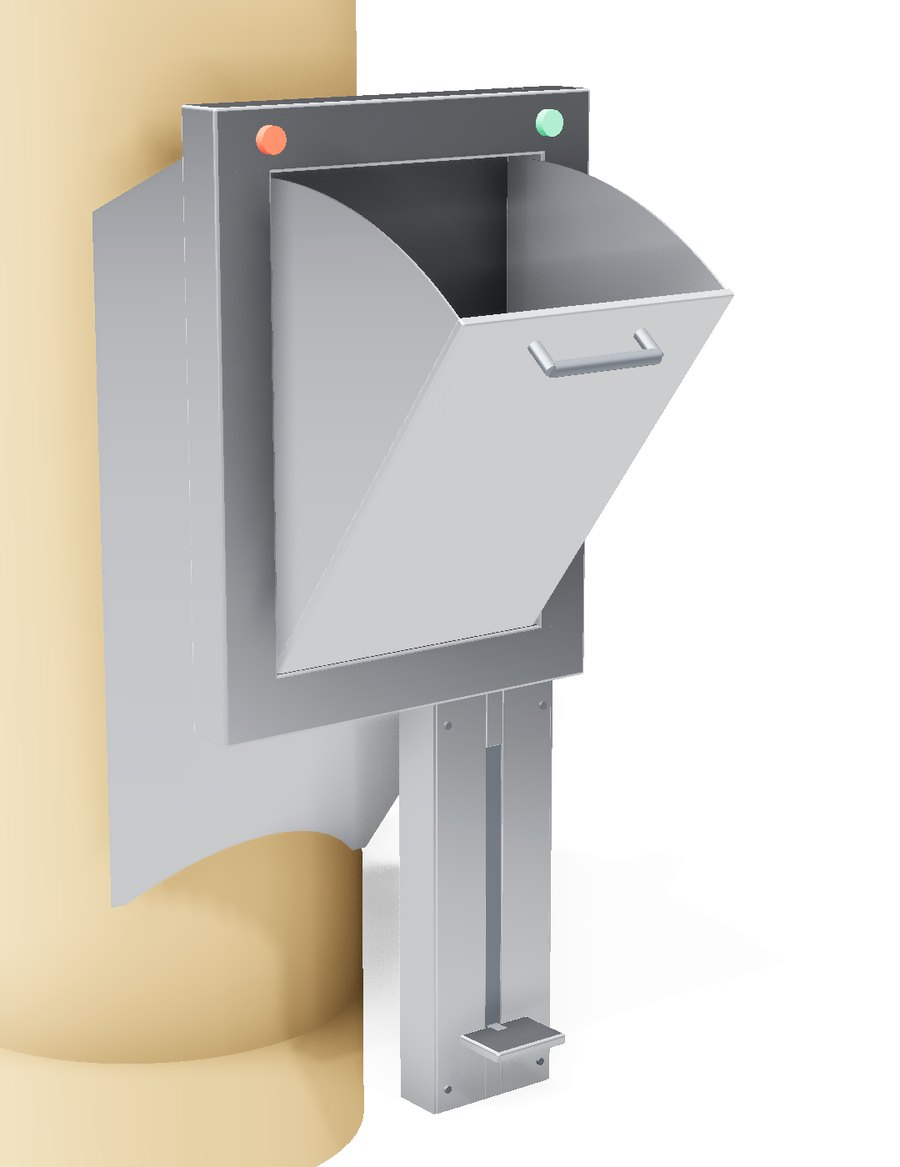
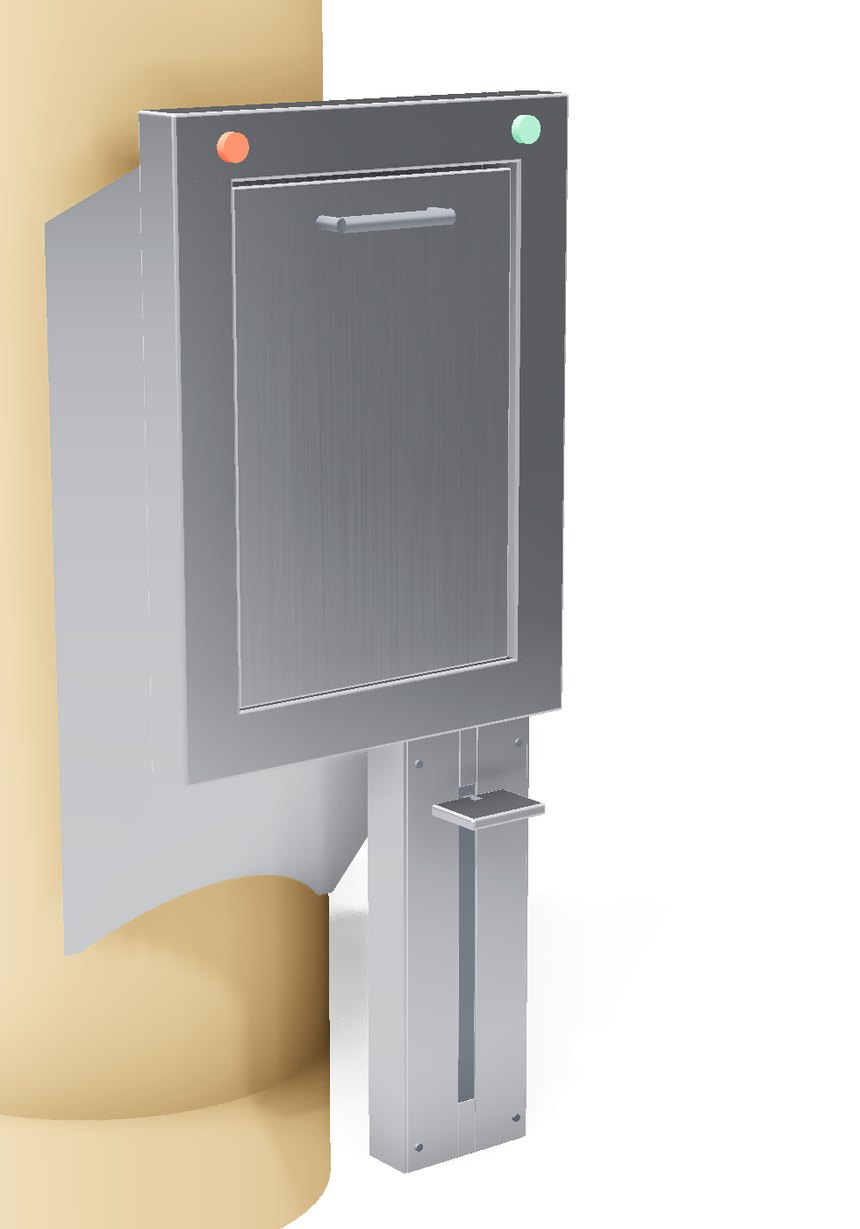
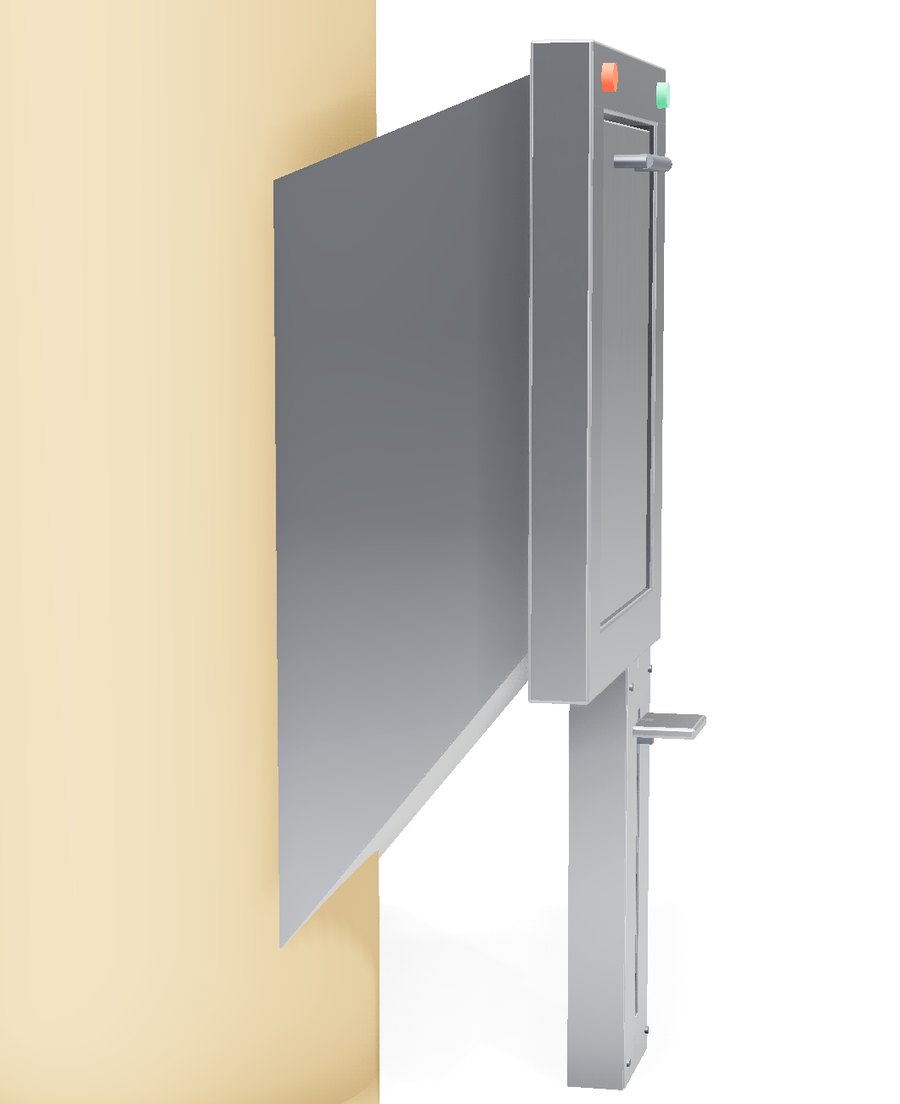
- Stainless steel doors on gas springs, bottom-hinged, opening with one hand and closing under control
- Tipping hoppers, where the waste is loaded and tipped rather than pushed through
- Pull doors, for positions where the swing of a hinged door cannot be accommodated
- Foot pedals for hands-free opening — specified as standard in hospitals and commercial kitchens
Fire protection
- Fire rated intake doors, with the tested rating stated for the exact door and wall arrangement and the manufacturer test certificate supplied for the submittal
- Fire shutter doors within the shaft
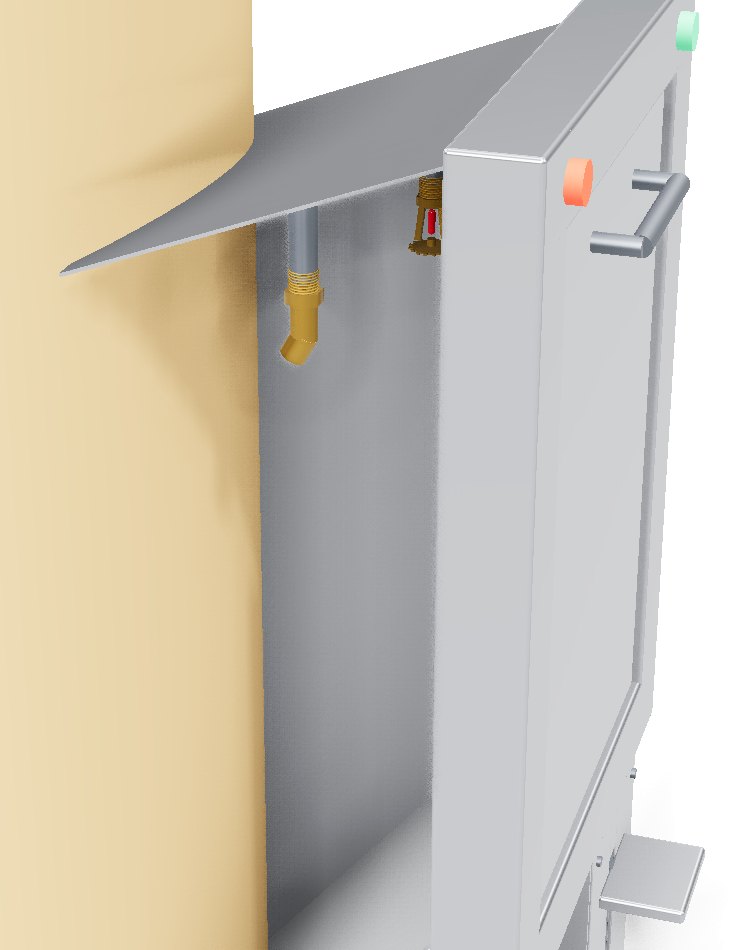
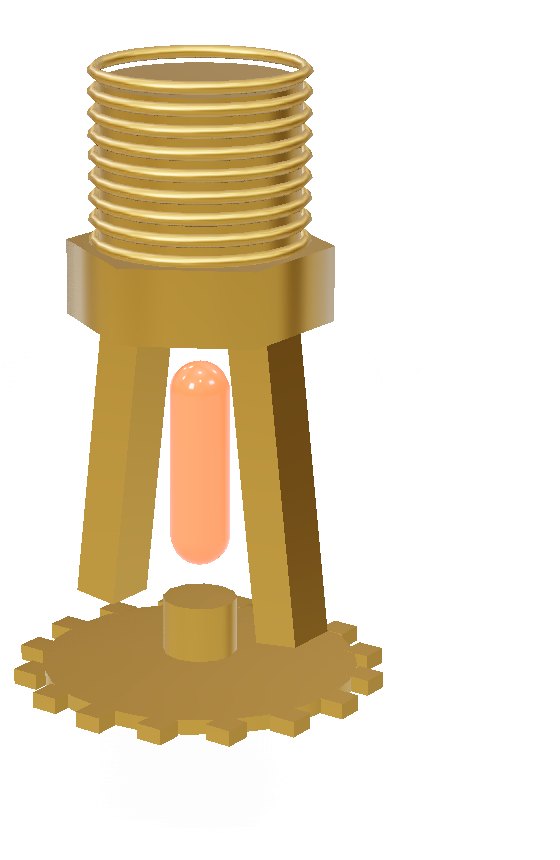
- Sprinklers inside the shaft
- Smoke detection inside the shaft
What is required on a given project comes from the fire strategy and the authority having jurisdiction. Centra supplies the equipment and the certification; the rating is set by the consultant. Settle it before the shaft is detailed.
Hygiene
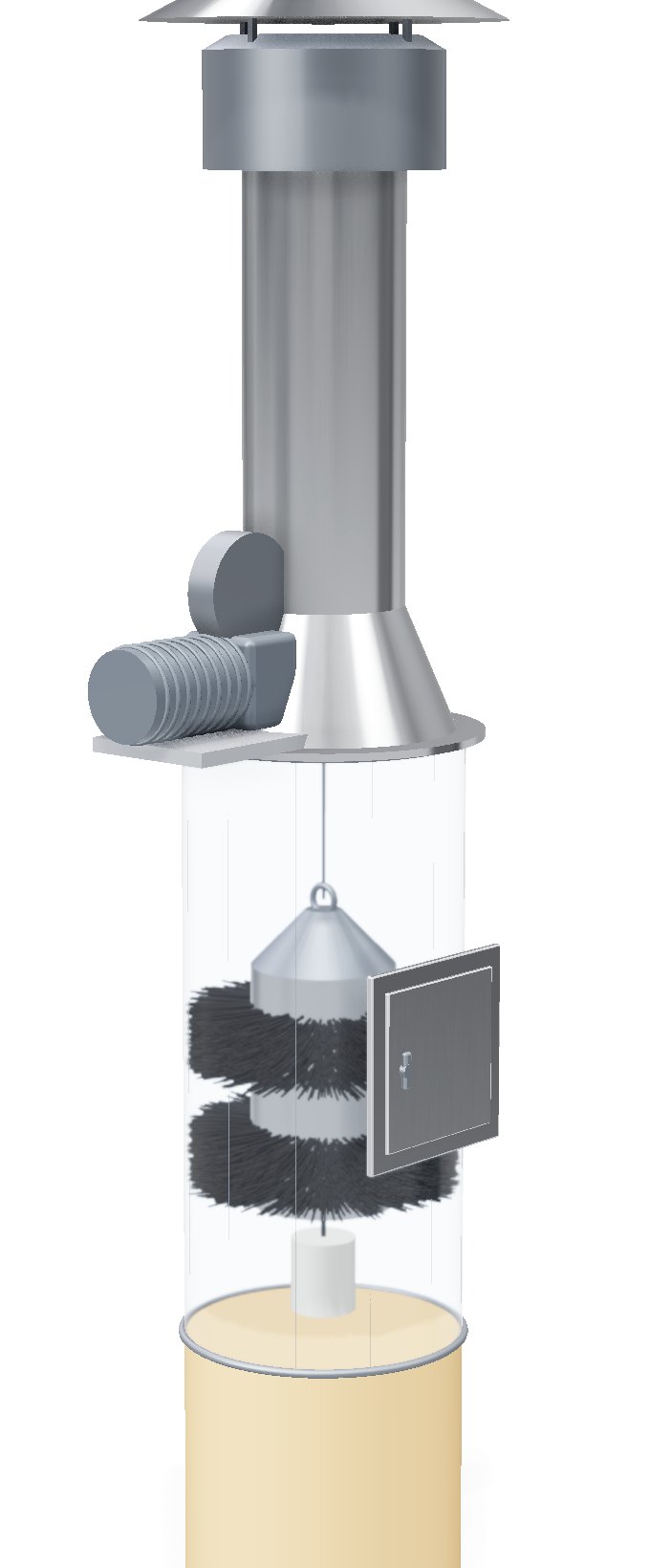
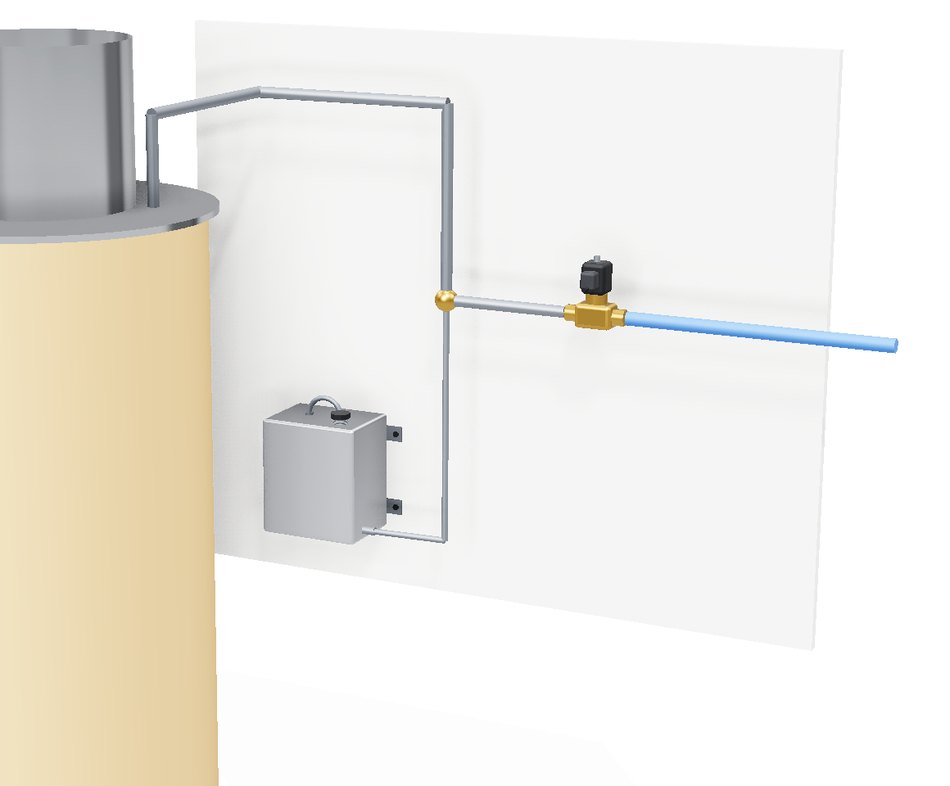
Cleaning units mounted at the head of the shaft run water and disinfection liquid down the interior on a set cycle, in mechanical or electrical versions. The electrical version is operated from the control panel and can be scheduled. This is the item most often left out of a specification and most often requested a year after handover, when the shaft has started to smell. It costs considerably less installed with the chute than retrofitted to it.
Air
Shaft ventilation and an exhaust fan, run from the control panel, holding the shaft under negative pressure so that odour and pressure do not travel between floors when a door is opened. Without it, every door opening pushes shaft air into a corridor.
Access control
- Electromagnetic interlocking, so two doors cannot be open at once anywhere in the shaft
- Electrical locking by floor or by schedule — closing the chute overnight, or isolating a floor under renovation
- Pilot lamps at each door showing locked or unlocked, so a user waits instead of forcing
Bins and containers
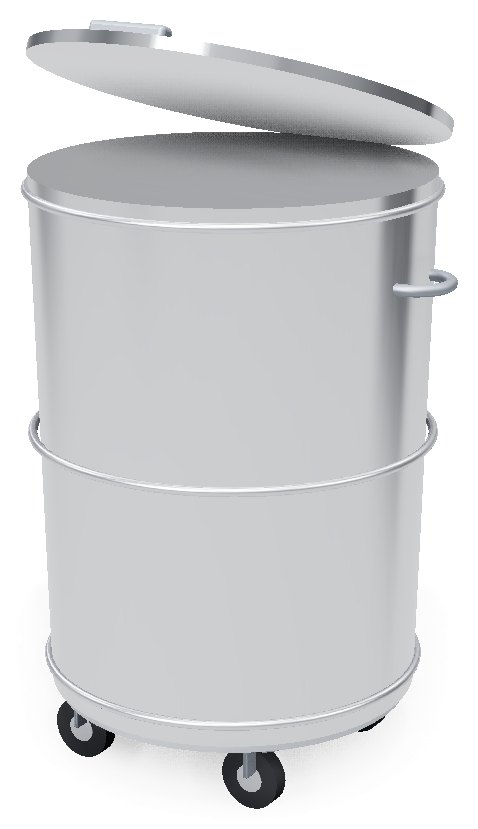
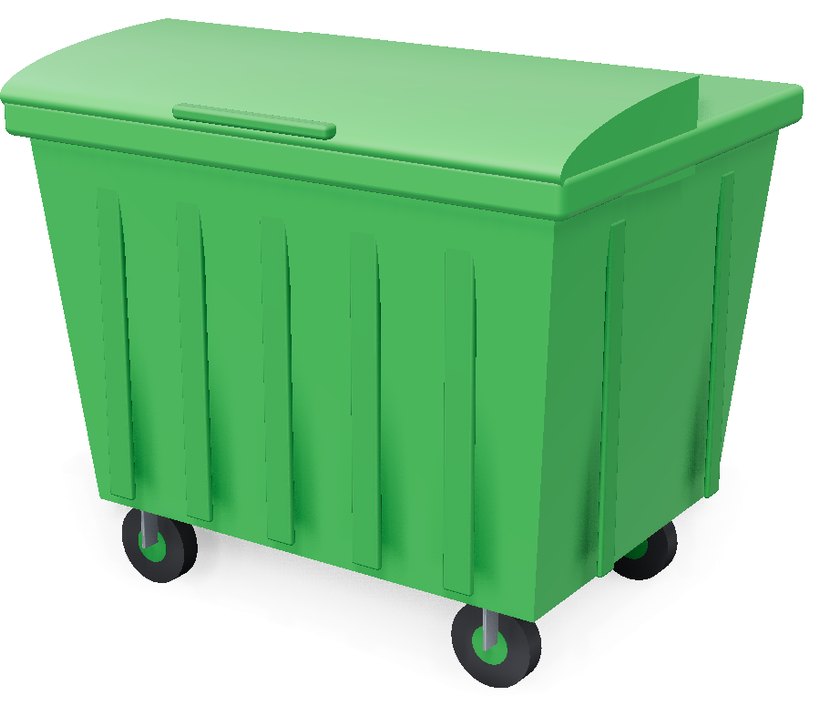
- Garbage trolleys in 1.1, 2.5 and 4.5 m³, galvanised or stainless steel
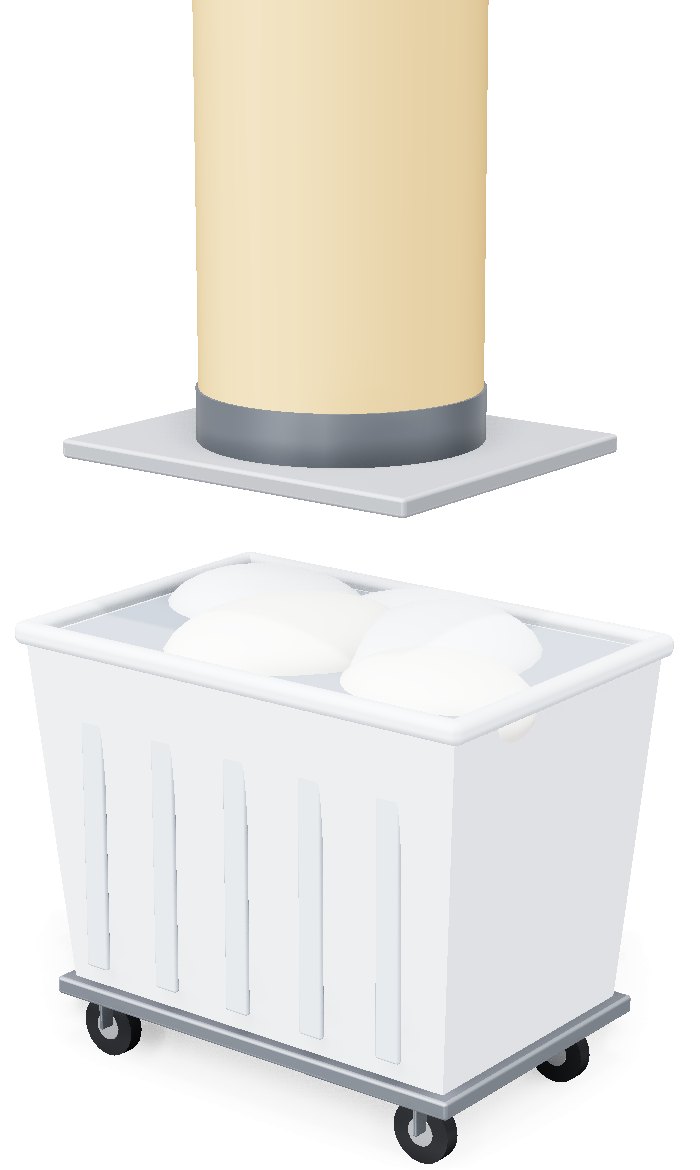
- Laundry bags and transporting units for the linen chute discharge
Questions
What buyers actually ask
Which of these are code requirements and which are options?
Fire-rated doors and shaft fire protection are determined by the project's fire strategy and the authority having jurisdiction — treat them as requirements to be confirmed, not options to be priced. Interlocking is a safety function and should be treated the same way.
Cleaning units, shaft ventilation, scheduled locking and hands-free hardware are specified against how the building will be operated. The practical rule: anything concerning fire or the interlock is decided by the consultant; everything else is decided by whoever will run the building, and should therefore involve them before tender.
Which can be retrofitted to an existing shaft?
Cleaning units, exhaust fans and control panels usually can. Intake doors can be replaced, though it is a floor-by-floor job in occupied space. Interlocking can often be added where the door hardware supports it. What cannot be changed economically is the shaft itself — its diameter, its material grade and its joint detailing — which is why those three are worth getting right once.
How often does the cleaning unit need to run?
In a residential building, a scheduled cycle measured in days rather than weeks. In a hospital or a building with a food waste stream, more often, and set by the operator's hygiene policy rather than by the equipment. An electrically operated unit on the control panel makes the interval a setting rather than a task somebody has to remember.
What is the difference between a hands-free intake door and a standard one?
A foot pedal opens it, so the user never touches the door with the hand carrying the waste. In a hospital, a kitchen or a food service area that is the difference between a chute that supports the hygiene regime and one that works against it. It costs little at specification stage and cannot be added as an afterthought to every floor without disruption.
Send us your drawings
We will produce a door schedule and accessory list against your fire strategy.